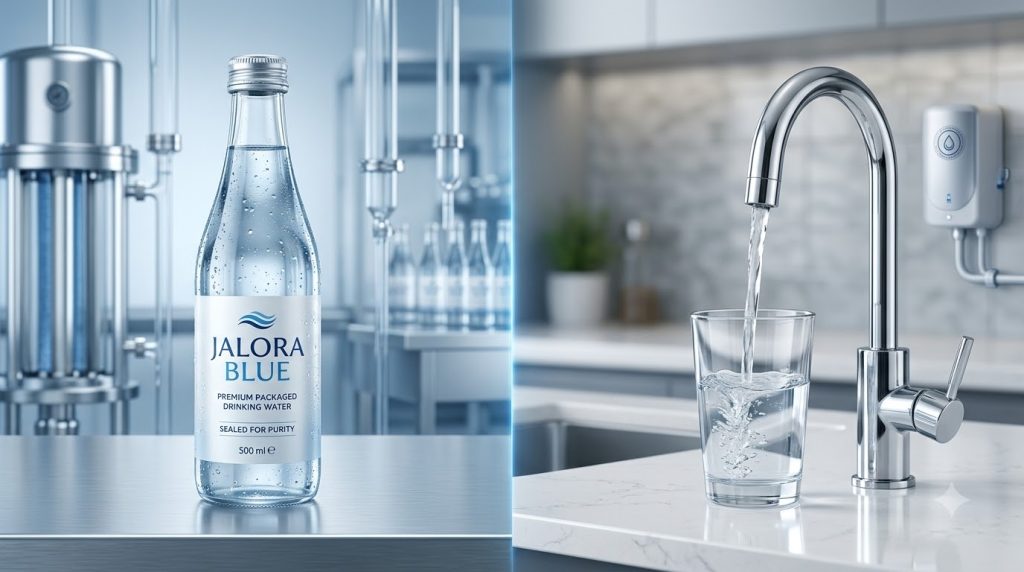
Water is an essential part of everyday life. We use it for drinking, cooking, cleaning, and many other daily activities. While tap water is commonly available in homes and offices, packaged drinking water has become increasingly popular because of its convenience, portability, and controlled treatment processes.
But what is the difference between packaged drinking water and tap water? Is one always better than the other? The answer depends on several factors, including the source of water, treatment process, storage conditions, local water quality, and how the water is handled before consumption.
In this blog, we will explore the key differences between packaged drinking water and tap water, including their treatment, safety, convenience, storage, cost, and suitability for different situations.
What Is Packaged Drinking Water?
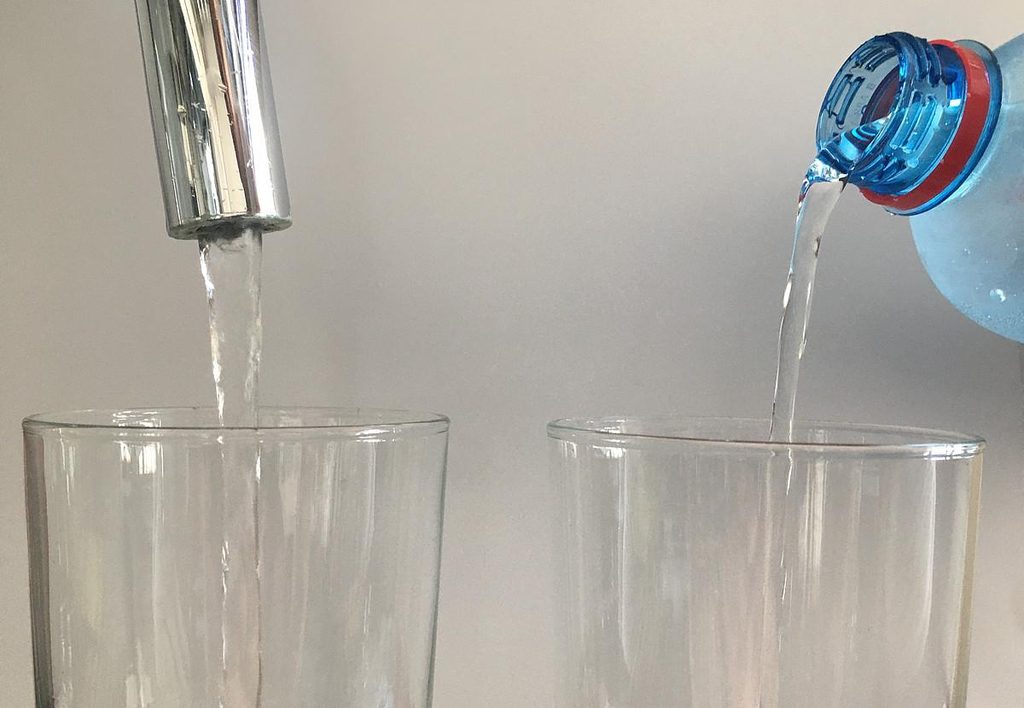
Packaged drinking water is water that has been treated and packaged in sealed containers for human consumption. Depending on the source and applicable regulations, treatment can involve processes such as filtration, disinfection, reverse osmosis, ultraviolet treatment, ozonation, or other approved methods.
The finished product is filled into bottles or containers under controlled conditions and sealed before distribution. The packaging helps protect the water from contamination during transportation and handling.
Packaged drinking water is available in different bottle sizes, such as 250 ml, 500 ml, 1 litre, 2 litres, and larger containers. This makes it useful for homes, offices, restaurants, hotels, events, travel, and other commercial purposes.
What Is Tap Water?
Tap water is water supplied through a public or private water distribution system. In India, tap water may come from sources such as rivers, reservoirs, groundwater, or other water supplies. It is generally treated before entering the distribution network, but the quality that reaches the consumer can depend on the source, treatment system, distribution infrastructure, and local conditions.
Even when water is treated at the supply level, factors such as old pipelines, leaks, poor storage tanks, or improper handling can affect water quality before it reaches the final point of use.
For this reason, the quality of tap water can vary significantly between locations.
Packaged Drinking Water vs Tap Water: Key Differences
1. Treatment and Processing
One of the major differences is how water is processed before consumption.
Packaged drinking water goes through a defined treatment and packaging process. Depending on the product and applicable standards, treatment may include filtration, disinfection, RO, UV, or ozonation. The water is then packaged in sealed containers.
Tap water is generally treated by the local water supplier before being distributed through pipelines. However, the condition of the distribution network and household plumbing can influence the quality of water by the time it reaches the consumer.
Therefore, consumers should consider not only the original water source but also the complete journey from treatment facility to the point of consumption.
2. Packaging and Protection
Packaged drinking water is filled into sealed bottles or containers. The sealed packaging provides a physical barrier against contamination when the product is properly manufactured, stored, transported, and handled.
Tap water does not usually have individual sealed packaging. It travels through pipes and may then be stored in household tanks or other containers.
This makes proper cleaning and maintenance of storage tanks and plumbing particularly important for tap-water users.
3. Convenience and Portability
Convenience is one of the biggest advantages of packaged drinking water.
A sealed bottle can easily be carried to offices, schools, gyms, restaurants, events, shops, road trips, and outdoor activities. Different bottle sizes allow consumers and businesses to choose packaging according to their requirements.
Tap water, on the other hand, is generally available directly from a faucet, making it highly convenient for regular household use but less practical when a portable water supply is needed outside the home.
4. Quality Can Depend on Location
The quality of tap water can vary depending on geographical location, water source, treatment facilities, pipelines, storage systems, and local infrastructure.
Packaged drinking water also requires proper quality control throughout production. Consumers should therefore check the label, packaging condition, manufacturer details, and relevant compliance information before purchasing.
Neither term alone should be treated as a guarantee of quality. The actual safety and quality of drinking water depend on treatment, testing, handling, storage, and compliance with applicable standards.
5. Storage and Handling
Storage is important for both types of drinking water.
For packaged drinking water, bottles should be stored properly and protected from excessive heat, direct sunlight, chemicals, and physical damage. Consumers should avoid using bottles that are damaged, leaking, or improperly sealed.
Tap water is often stored in overhead tanks, underground tanks, or household containers. These systems should be cleaned and maintained regularly to reduce the possibility of contamination.
Good hygiene practices after opening packaged water are also important. Once a bottle is opened, it should be handled carefully and consumed within an appropriate period.
6. Cost Difference
Tap water is generally much less expensive for everyday household consumption because consumers typically pay for the water supply as part of a municipal or private water service.
Packaged drinking water has additional costs associated with treatment, quality control, bottles, caps, labels, packaging, transportation, storage, distribution, and retail operations.
As a result, packaged drinking water usually costs more than tap water.
However, consumers and businesses may choose packaged water when portability, sealed packaging, and convenience are important.
7. Environmental Considerations
Environmental impact is another important difference.
Tap water generally requires less packaging because it is delivered through pipelines. This can reduce the amount of single-use packaging associated with drinking water.
Packaged drinking water uses bottles and other packaging materials, which creates additional material and transportation requirements. Responsible waste management and recycling can help reduce the environmental impact of used packaging.
Water businesses can also explore efficient packaging, responsible sourcing, recycling initiatives, and optimized distribution systems to improve sustainability.
When Is Packaged Drinking Water Useful?
Packaged drinking water can be particularly useful in situations where convenient, portable, sealed drinking water is required.
Examples include:
- Travel and road trips
- Weddings and social events
- Hotels and restaurants
- Offices and workplaces
- Schools and institutions
- Outdoor activities
- Conferences and exhibitions
- Retail stores
- Emergency situations
- Corporate and promotional events
For businesses, branded packaged drinking water can also provide a professional way to serve customers while maintaining consistent packaging and presentation.
How to Choose Good Packaged Drinking Water
Consumers should pay attention to several factors before purchasing packaged drinking water.
First, check that the bottle or container is properly sealed and free from visible damage. Look at the label for relevant product information, manufacturer details, batch information, dates, and applicable certification or compliance details.
Avoid purchasing bottles that appear damaged, leaking, tampered with, or poorly stored.
It is also important to purchase drinking water from reliable and legitimate suppliers that follow applicable food-safety and packaged-drinking-water requirements.
Why Hygiene Matters in Drinking Water
Regardless of whether water comes from a tap or a bottle, hygiene plays a critical role.
Water can become contaminated through poor handling, dirty storage containers, damaged packaging, unclean dispensing equipment, or inadequate maintenance of pipelines and tanks.
For packaged drinking water businesses, hygiene should be maintained throughout the entire production cycle—from water treatment and bottle preparation to filling, sealing, storage, transportation, and delivery.
For households using tap water, regular cleaning of water tanks, proper plumbing maintenance, and safe storage practices can help maintain water quality.
Conclusion
The comparison between packaged drinking water and tap water is not simply about deciding which type is universally better. Both can serve important purposes, but their characteristics are different.
Tap water is generally economical and convenient for everyday household use, while packaged drinking water offers portability, sealed packaging, and convenience in situations where carrying or serving drinking water is important.
The most important consideration is the quality and safety of the water, along with proper treatment, testing, storage, handling, and compliance with applicable standards.
For consumers, choosing drinking water from a reliable source and following proper hygiene and storage practices can make a significant difference. For packaged drinking water businesses such as JALORA BLUE, maintaining quality, hygiene, reliable packaging, and responsible distribution is essential for building customer trust.
Ultimately, informed consumers should look beyond the type of water and consider how it has been treated, packaged, stored, transported, and handled before it reaches their glass.